EasycleanenergyCall (972) 738-4061

Epoxy Floor Installation in Allen, TX

Epoxy Floors Built to Handle Allen Garages

Garage, shop, and commercial floor coatings ground down to clean concrete, then finished in flake or metallic and backed by a written adhesion warranty. Free slab assessments across the Allen area.

Epoxy flooring in Allen, TX

Floor Care Notes

Practical tips on keeping garage and shop epoxy floors looking new across the Allen area.

Why Epoxy Flooring in Allen Texas Fails Early
August 3, 2026

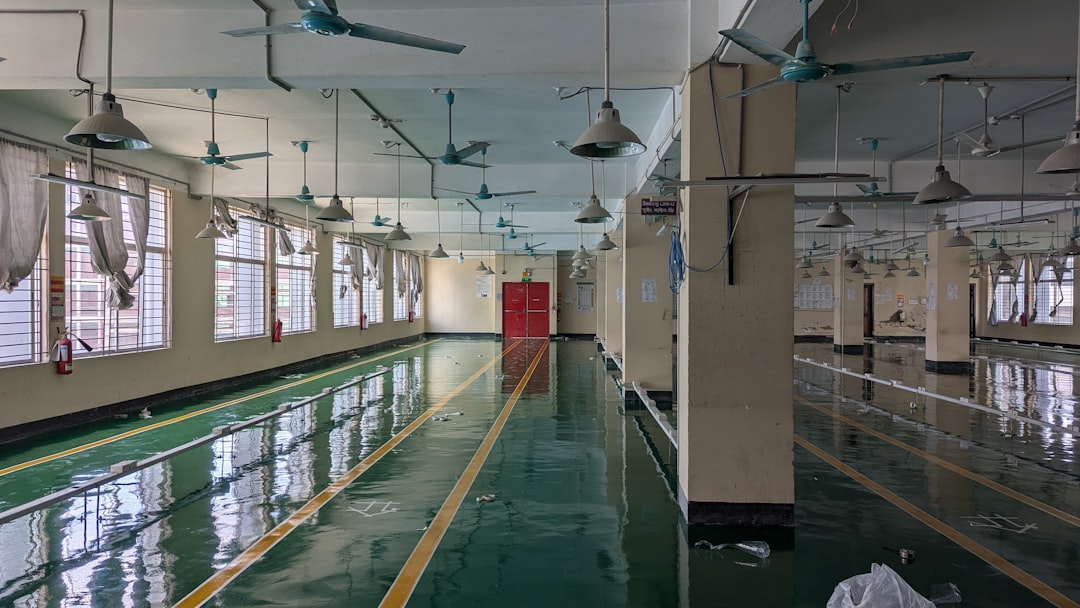
Epoxy garage floor coating peeling away from a concrete slab in North Texas

A garage floor coating that peels in year two did not fail because epoxy is a bad product. It failed because of something that happened before the first drop of resin hit the slab, or because the wrong system went down on a slab that needed a different one. Almost every failed floor we get called out to look at in Allen traces back to one of six specific mistakes, and all six are avoidable.

Here is what actually goes wrong on North Texas garage slabs, in the order we see it.

If you are shopping right now, this doubles as a checklist. Ask epoxy flooring allen texas contractors about prep and moisture before you ask about colors, because the color is the part nobody gets wrong.

Failure One: The Slab Was Never Properly Prepped

This is the big one. Epoxy does not glue itself to a smooth concrete surface. It needs mechanical tooth, which means diamond grinding or shot blasting the slab down past the troweled surface layer to open the pores.

What gets substituted for grinding is acid etching, because it is fast and it needs no equipment. Etching with acid can work on a bare, porous, never sealed slab, but most garage floors in Allen are power troweled and sealed at construction, and acid barely touches that. The coating then sits on top of the surface instead of keying into it, and it comes up later in sheets that still have concrete dust on the back.

You can usually tell after the fact. If a peeled flake lifts off clean and the concrete under it looks smooth and glassy, the floor was never ground.

The other half of prep is repair. Oil spots have to be degreased and, if the contamination is deep, ground out entirely. Epoxy will not bond through motor oil, and a spot that got skipped will telegraph as a ring that never sticks.

Failure Two: Moisture Pushing Up Through the Concrete

Concrete slabs are not waterproof, and a garage slab poured on our clay pulls groundwater up through itself by capillary action. That vapor has to go somewhere. When it hits the underside of a sealed coating it builds pressure and pops the film off in blisters, usually in the same spots every time, often near the overhead door or along an exterior wall.

Two things prevent it. First, a moisture test before quoting, either a calcium chloride test or relative humidity probes in the slab, so nobody is guessing. Second, if the readings are high, a moisture mitigating primer or a vapor barrier system underneath the buildcoat rather than the standard primer.

Nobody can look at a dry looking slab and know its vapor emission rate. Anyone who says they can is guessing with your floor.

New construction is the sharpest version of this. A freshly poured slab holds construction water for weeks. Coating a slab before it has cured out, generally around 28 days minimum and longer in a wet spring, is a reliable way to buy a blistered floor.

Failure Three: The Coating Went Down Too Thin

There is a real difference between a coating and a paint job. The cheap one day garage specials advertised at rock bottom per square foot are usually a thin roller applied product, sometimes a water based epoxy, laid down at a few mils. It looks great on day one. It wears through at the tire tracks within a couple of years because there is not enough material there to wear.

A system built to last puts down a primer, a high solids buildcoat, broadcast flake or quartz if you want it, and a polyaspartic or polyurethane topcoat. That stack is measured in tens of mils, not single digits. It costs more because there is genuinely more product and more labor in it.

When comparing quotes, the question that separates them is not the price. It is total mil thickness and how many coats.

Failure Four: Hot Tire Pickup in a Texas Summer

Pavement temperatures around Collin County in July put tires back in the garage very hot, and hot rubber plasticizes a soft coating and grabs it. When the tire cools it contracts and lifts the coating off in a patch shaped exactly like the contact patch.

Any properly cured high solids epoxy with a polyaspartic topcoat is rated to shrug this off. Thin DIY kits and single coat water based products are not. If a floor shows tire shaped marks in year one, that is not abuse, that is an underspecified system.

Two habits help even on a good floor: let the car sit a few minutes before pulling in during peak summer if you can, and do not park in the identical spot every single day if the floor is new.

Failure Five: Cracks and Joints Handled the Wrong Way

Allen sits on Blackland Prairie clay that swells when it rains and shrinks when it does not. Slabs move here. That movement is why control joints exist, and why a coating poured straight across a moving joint eventually cracks in a straight line right above it.

Static cracks get chased out, filled with a rigid polyurea or epoxy patch, and coated over. Working joints get filled with a flexible joint filler and, in some layouts, honored in the coating instead of buried. A contractor who tells you every crack simply disappears forever is overselling. What a good system does is make cracks structurally sound and visually minor, and keep them from spreading.

Failure Six: The Cure Was Rushed

Every product has a recoat window and a cure schedule that shifts with temperature and humidity. Recoat too early and the layers do not chemically bond. Put a car back on the floor too soon and the coating is still soft enough to mark permanently.

Typical guidance is light foot traffic in about a day and vehicle traffic after several days, but the real number depends on the product and the conditions during the pour. The floors that get driven on at 24 hours to hit a customer’s schedule are the ones with tire marks by the next summer.

What a Correct System Looks Like Here

LayerPurposeNotes for Allen slabs
Diamond grind or shot blastMechanical bondNot optional, not replaceable with acid
Moisture testDecides the primerCalcium chloride or in slab RH probes
Primer or vapor barrierAdhesion, blister controlMitigating primer when readings run high
Crack and joint workStructureRigid patch on static, flexible on working joints
High solids epoxy buildcoatThe body of the floorWhere thickness actually comes from
Flake or quartz broadcastTexture, traction, looksAlso hides minor slab imperfection
Polyaspartic or urethane topcoatUV, chemical, hot tire resistanceThe layer that survives summer

Our garage floor epoxy work follows that sequence on every slab, and the flake and polyaspartic coatings page covers the topcoat side of it in more detail.

How to Vet a Quote in Ten Minutes

Ask these five and listen for specifics rather than reassurance.

  1. How are you profiling the slab, and with what machine?
  2. Are you moisture testing, and which test?
  3. What is the total dry film thickness when you are done?
  4. What is the topcoat, specifically, and is it UV stable?
  5. When can I walk on it, and when can I park on it?

A contractor who answers all five in concrete terms is quoting a system. One who answers with “it is a commercial grade epoxy” is quoting a price.

Signs a Floor Is Already Failing

Bubbles or blisters mean moisture. Peeling in sheets with smooth concrete underneath means prep. Chalky powder on the surface means a coating breaking down from UV or wear. Tire shaped patches mean the topcoat was not up to the heat. Dull gray patches at the door often mean grit was never swept and the finish abraded.

Catching any of these early usually means a recoat over a sound base. Ignoring them until the coating is lifting across the floor means a full grind off and a fresh start, which costs what the original floor cost.

Questions We Get

Can a failing floor be fixed without stripping everything? Sometimes. If the failure is localized and the surrounding coating is well bonded, we can grind out the bad area, feather it in, and recoat. Widespread delamination means starting over.

Is a flake floor tougher than a solid color? Slightly, because the flake adds thickness and texture. It also hides dust and minor slab flaws, which is why most Allen garages end up with it.

How long should a properly built floor last? In a residential garage, 15 years or more of service with the topcoat refreshed once along the way.

Does the garage need to be climate controlled during the work? No, but the pour gets scheduled around temperature and humidity, which in July can mean starting early in the day.

If your floor is bubbling, peeling, or picking up tire marks, get it looked at before the failure spreads across the slab. Contact us or call Easycleanenergy at (972) 738-4061 for a free assessment and a straight answer on whether it needs a recoat or a redo.
Read the full article

Keeping an Allen Epoxy Garage Floor Looking New

July 1, 2026

Maintaining an epoxy garage floor in Allen, TX

A good epoxy floor is close to maintenance free, but close to free is not the same as zero. A few small habits will keep a flake or metallic floor in an Allen garage looking like the day it was sealed, right through the July heat and the grit that gets tracked in each winter. Here is what actually matters.

Sweep the Grit, Not Around It

The one thing that dulls a coating over time is fine sand and grit acting like sandpaper under your shoes and tires. A dust mop or soft push broom once a week takes care of it. This matters more near the overhead door, where wind pushes debris in off Collin County streets and it collects along the threshold.

Wet Mop With Mild Soap Only

When the floor needs a real cleaning, warm water with a little mild dish soap is all it takes. Skip the harsh degreasers and anything acidic, since those can haze a clear topcoat over time. A microfiber mop and a rinse leave a flake or polyaspartic surface looking new, no sealing or waxing required.

Deal With Spills Sooner Than Later

A sealed floor buys you time, but it is not an excuse to leave a puddle of brake fluid sitting for a week. Oil, gas, and antifreeze wipe right up off a coated slab if you catch them, which is the whole advantage over bare concrete. A shop rag and a minute of attention keep stains from ever starting. If you are still deciding between systems, our garage floor epoxy page walks through how the topcoat handles automotive fluids.

Mind the Hot Tires in Summer

North Texas summers push pavement temperatures high, and tires come home hot. A quality coating is rated for hot-tire pickup, but parking a scorching tire on the same spot every day is still the toughest test a floor faces. If you ever notice a mark lifting, do not scrub at it, give us a call so we can look before it spreads.

Put Felt Under Heavy Gear

Jack stands, tool chests, and press feet can scuff a floor when dragged. A cheap felt pad or a scrap of plywood under anything heavy prevents the gouges that are annoying to touch up. It is the same idea as felt under furniture, just for a garage that doubles as a workshop.

Treat a coated floor well and it will outlast most of what you park on it. If a floor is past cleaning and into peeling or dusting, that is a prep issue, not a maintenance one, and it is worth a fresh assessment. Questions about your slab? Contact us or call Easycleanenergy at (972) 738-4061 for a free look.

Read the full article

Neighborhoods and Suburbs We Reach

We coat floors throughout Allen and the surrounding Collin County suburbs, from established neighborhoods like Twin Creeks, Watters Crossing, Bethany Lakes, and Star Creek to the nearby cities along US 75.

Not sure we reach your street off Exchange Parkway or Alma Drive? Call (972) 738-4061 and we will let you know.

  • Allen, TX (75002, 75013)
  • Plano, TX
  • McKinney, TX
  • Frisco, TX
  • Fairview, TX
  • Lucas, TX
  • Parker, TX
  • Wylie, TX

Easycleanenergy provides epoxy flooring in Allen, TX, from garage floor epoxy coatings and metallic epoxy floors to polyaspartic and polyurea systems, epoxy flake broadcast finishes, commercial and industrial coatings, and full concrete surface prep and repair. We grind, patch, and coat slabs for homeowners along Stacy Road, in the Twin Creeks and Watters Crossing neighborhoods, and across the 75013 side of town.

Bare concrete does not do well in North Texas. A slab that bakes through a 100 degree July soaks up oil, road salt, and hot-tire pickup, and the surface starts to dust and spall long before the house does. A bonded resin system seals the pores, stops the chalky dusting, and leaves a floor you mop instead of sweep. That is the whole reason a proper coating belongs on an Allen or McKinney garage.

Most calls start the same way. The floor feels chalky when you run a hand across it, a corner near the overhead door is flaking, or an old big-box paint kit has begun to peel off in sheets. Those are all signs the slab needs to be taken back to clean concrete and recoated. We diamond grind or shot blast every floor to the right concrete surface profile first, because adhesion is the one thing that keeps a coating down for a decade on Bethany Drive or anywhere else in Collin County.

Every install comes with a written adhesion warranty, because we would rather stand behind the prep than talk around it. A finished epoxy or polyaspartic floor also reads as a genuine upgrade to buyers in the 75002 market, the same way a tidy garage does at an open house. We measure the job, put the number in writing, and coat the slab so it looks like it belonged there from the year the house was built.

  • Built for the heatBase coats and topcoats chosen to hold up to North Texas summers and hot-tire pickup, not just look good on day one.
  • Real slab prepWe diamond grind or shot blast to the correct concrete surface profile before a drop of resin goes down.
  • Written adhesion warrantyEvery floor is backed by a written warranty on adhesion, so peeling is our problem to fix, not yours.
  • One-day optionsPolyaspartic systems let many Allen garages be coated and back in service in a single day.

Coating Systems We Install

One local crew for garage, shop, and commercial floors, matched to how the slab gets used and what it has to survive.

Garage Floor Epoxy Coatings

Multi-coat resinous systems over prepared garage concrete: primer, pigmented base, broadcast flakes, and a clear topcoat rated for hot-tire pickup and automotive fluids.

Metallic Epoxy Floors

Marbled, pearlescent metallic pours worked with solvent and torch, then sealed under a high-gloss urethane clear for showrooms, retail, and standout home floors.

Polyaspartic and Polyurea Coatings

Fast-curing aliphatic systems that cure in hours, resist UV yellowing, and let us finish many floors as a one-day install over an epoxy base.

Epoxy Flake Broadcast Systems

Vinyl color flakes broadcast to rejection into a pigmented base, then sealed for slip resistance and to hide minor slab imperfections. The default garage and basement finish.

Commercial and Industrial Coatings

Heavy-duty and self-leveling epoxy mortar systems for warehouses and shops, engineered for forklift traffic, thermal shock, and chemical exposure.

Concrete Surface Prep and Repair

Diamond grinding or shot blasting to the right profile, plus crack chasing, spall patching, and joint filling so the coating has clean concrete to grab.

What an Epoxy Floor Costs in Allen

Epoxy pricing comes down to the system, the square footage, and how much repair the slab needs before coating. A standard flake garage sits in the popular middle, a one-day polyaspartic build costs a little more for the faster cure and UV stability, and a decorative metallic pour runs highest for the labor. The ranges below are typical for the Allen area, and we put the firm number in writing after a free on-site slab assessment.

Standard flake system$5 to $8 per sq ft installed
  • Primer, base, partial flake, and clear coat
  • Diamond-ground prep included
Get assessment
Full-flake polyaspartic (one day)$7 to $12 per sq ft installed
  • Broadcast to rejection, UV-stable topcoat
  • Coated and back in service in a day
Get assessment
Metallic epoxy$8 to $15 per sq ft installed
  • Marbled decorative pour
  • High-gloss urethane clear finish
Get assessment

Epoxy Flooring Questions, Answered

How much does it cost to epoxy a 2-car garage in Allen?
A typical 400 to 500 sq ft garage with a standard flake system runs about $1,500 to $3,500 including prep. A one-day polyaspartic or a decorative metallic finish costs more. We give a firm written number after a free slab assessment.
How do I know my slab actually needs a coating?
The usual signs are a chalky feel when you rub the surface, dusting that never quite sweeps up, flaking near the overhead door, or an old paint kit peeling in sheets. Any of those means the slab should be ground back to clean concrete and recoated.
Why is grinding or shot blasting necessary before epoxy?
Coatings bond to the concrete surface profile, not to a smooth or sealed slab. We diamond grind or shot blast to open the pores so the resin locks in. Skipping this is the single biggest reason floors peel later.
What is the difference between epoxy and polyaspartic?
Epoxy is the durable base most people picture. Polyaspartic is a fast-curing aliphatic topcoat that resists UV yellowing and cures in hours, which is what lets us finish many Allen garages in a single day.
Will an epoxy floor peel or turn yellow over North Texas summers?
Not when the prep is right and the topcoat is UV-stable. We profile the slab correctly and finish with polyaspartic or urethane clears that hold their color through the heat, which is why we back adhesion in writing.
Do you serve my part of Allen?
We cover Allen ZIP codes 75002 and 75013, plus Plano, McKinney, Frisco, Fairview, Lucas, Parker, and Wylie. Neighborhoods like Twin Creeks and Watters Crossing are regular stops.
How do I clean and maintain the floor once it is coated?
A dust mop and the occasional wet mop with mild soap keeps a finished floor looking new. No sealing, no waxing. The coating is what turns a dusty slab off Stacy Road into a surface you can actually wipe down.

Book Your Free Slab Assessment

Ready to stop sweeping concrete dust? We will look at the slab, check for moisture and spalling, walk you through flake and metallic options, and hand you a clear written estimate with no pressure. Most Allen garages are coated in a day or two once prep is done, and every floor is backed by a written adhesion warranty.

Call (972) 738-4061